KENYA’S AGRICULTURE CRISIS: DROUGHT, SUBSIDIES, AND A BOLD PLAN FOR THE FUTURE
As failed rains devastate the country’s breadbasket, the government rolls out emergency imports, farmer subsidies, and a trillion-shilling blueprint to modernize the sector.
The Perfect Storm: Why Kenya’s Food Basket Is Empty
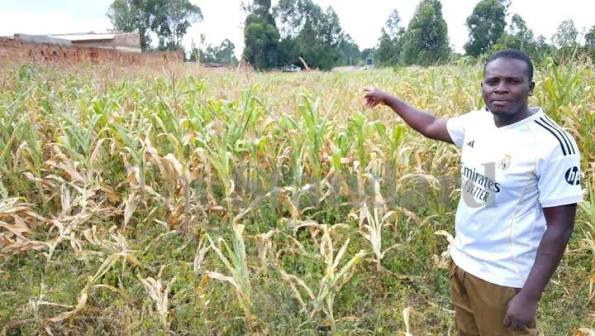
Kenya is facing its worst agricultural crisis in recent memory. Over 60% of the maize crop in key producing counties like Uasin Gishu has been destroyed by failed rains, pushing the country toward a severe food shortage.
For millions of farmers who depend on the long rains for their livelihoods, the loss is devastating—and the ripple effects will soon be felt in every Kenyan household. The production shortfall is expected to be so severe that the government has been forced to step in with emergency measures to prevent a national hunger crisis.
“This is not just a bad season—it’s a wake-up call for the entire agricultural sector,” said a ministry official familiar with the situation. “We can no longer rely on rain-fed agriculture alone.”
The Government’s Two-Pronged Response
1. Emergency Maize Imports
To stabilize the market and avert a shortage, the government has authorized the importation of 25 million bags of maize. The goal is to bridge the supply gap and keep food prices from spiraling out of reach for ordinary Kenyans.
While critics argue that imports hurt local farmers, the government maintains that the move is a necessary short-term fix to protect consumers and national food security.
2. Subsidies for Farmers
In a parallel move aimed at the next planting season, the government has slashed input costs:
- Fertilizer: A 50kg bag of subsidized fertilizer now costs KSh 2,000 (down from KSh 2,500).
- Maize Seeds: Certified maize seeds have been halved in price.
The message is clear: despite the current crisis, the government wants farmers to prepare for the next season without being crippled by high input costs.
Beyond the Crisis: A Trillion-Shilling Vision
While the drought dominates headlines, a quieter—and more ambitious—story is unfolding behind the scenes.
The government has launched the National Agricultural Sector Investment Plan (NASIP 2026-2030), a KSh 1.08 trillion blueprint designed to:
- Create over 2 million new jobs in the agricultural sector.
- Transform farming into a modern, competitive, and technology-driven industry.
- Reduce Kenya’s dependence on rain-fed agriculture through irrigation and climate-smart farming.
“This is the largest investment in agriculture in Kenya’s history,” a government spokesperson said. “We are not just responding to a crisis—we are building resilience for the future.”
The Long-Term Trends Shaping Kenyan Agriculture
Digital Transformation
The government is aggressively pushing for technology adoption in farming. New digital payment systems aim to protect tea farmers from exploitation, while AI and modern farming technologies are being integrated to boost productivity and attract young people into the sector.
Crop Diversification
In traditional maize-growing regions, farmers are being encouraged to diversify into crops like coffee and sunflower. The goal is to move away from the “boom and bust” cycle of relying on a single crop and build more stable, resilient farming systems.
What This Means for Kenya
The current crisis is a stark reminder that Kenya’s agriculture sector remains vulnerable to climate shocks. But it is also a moment of opportunity.
The combination of emergency imports, farmer subsidies, and the ambitious NASIP plan signals a shift in thinking—from crisis management to long-term transformation. If executed well, these measures could not only solve today’s food crisis but also build a more resilient, modern, and job-creating agricultural sector for generations to come.
Looking Ahead
The coming months will be critical. Will the imported maize arrive in time? Will farmers plant for the next season despite the losses? And will the trillion-shilling NASIP plan deliver on its promises?
One thing is certain: Kenya’s agriculture sector is at a crossroads. The decisions made today will shape the country’s food security, economy, and future for decades to come.