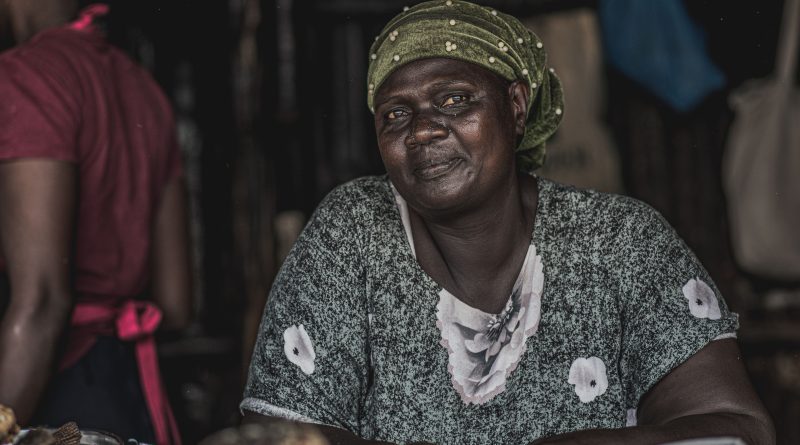
The New Kings of Kenya’s Economy Don’t Wear Suits. They Wear Aprons, Helmets and Dust Coats.
Every evening, as Nairobi’s office towers begin to empty, another shift starts.
A carpenter uploads photos of a dining table to Facebook.
A boda boda rider switches from carrying passengers to delivering parcels.
A mother in Rongai begins packing cakes ordered through WhatsApp.
A welder in Gikomba replies to enquiries from customers he has never met.
A farmer in Kirinyaga checks orders placed through a digital marketplace.
None of them is ringing the bell at the Nairobi Securities Exchange.
Yet together, they are helping shape Kenya’s economy.
For years, headlines focused on listed companies, bank profits and corporate mergers.
Those stories matter.
But another economy has been growing in plain sight.
It is powered by ordinary Kenyans who have learned to build businesses with little more than skill, determination and a smartphone.
Small businesses continue to face rising operating costs, weaker consumer spending and tighter cash flow. Yet many have adapted by embracing digital selling, community networks and lean operations rather than waiting for ideal conditions.
That resilience is changing what success looks like.
Today’s entrepreneur may never appear on the cover of a business magazine.
But she employs three neighbours.
He trains two apprentices.
They keep suppliers in business.
They pay school fees.
They create opportunity where none existed.
Perhaps that is why Kenya’s informal economy refuses to be underestimated.
It doesn’t rely on headlines.
It relies on people.
The future of Kenyan business may not be decided only in boardrooms.
It may be decided in workshops in Kariobangi, garages in Nakuru, salons in Kisii, greenhouses in Nyeri and market stalls in Kitale.
Because while corporations dominate conversations…
Ordinary entrepreneurs are quietly building the country.
One customer at a time.