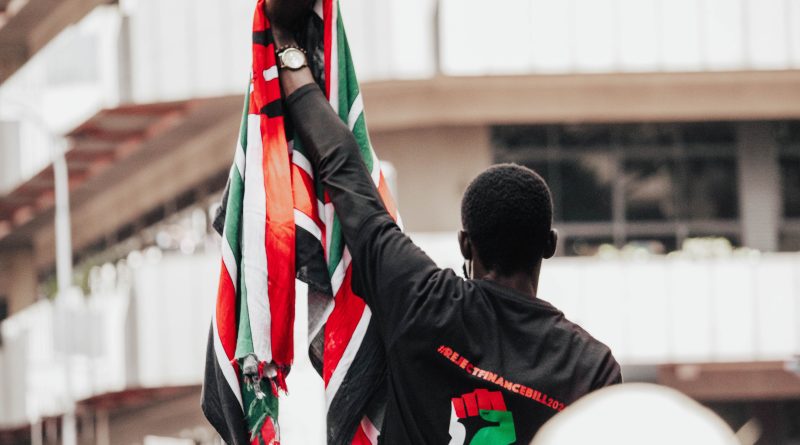
A Country on Edge: What Kenya’s Weeks of Protest Have Revealed About Security, Trust and the Cost of Unrest
On June 25, flowers were meant to be laid outside Parliament.
Instead, tear gas filled the air.
Families marking the second anniversary of the deadly 2024 anti-government protests found themselves facing roadblocks, riot police and arrests. Nairobi’s central business district slowed to a crawl as businesses closed, commuters stayed away and heavily armed security officers sealed off key government installations.
Less than two weeks later, on July 7, the anniversary of Saba Saba brought another extraordinary security operation.
Roads into parts of Nairobi were blocked.
Government buildings were heavily guarded.
Police maintained a visible presence across the city as authorities sought to prevent demonstrations from escalating.
These scenes have become defining images of Kenya’s recent history.
Not because protests are new.
But because the conversation has shifted beyond politics.
Today, it is also about security.
Business owners speak of lost trading days.
Parents worry when children leave home during periods of unrest.
Taxi drivers monitor social media before accepting trips.
Shops close early when tensions rise.
The economic cost is immediate.
The emotional cost lingers much longer.
Human rights organisations continue to call for accountability over deaths and injuries linked to protest policing, while the government has defended security operations as necessary to maintain public order and protect lives and property.
Those two positions now sit at the heart of one of Kenya’s most important national conversations.
How does a democracy guarantee public safety while protecting constitutional freedoms?
There are no easy answers.
But there is one undeniable reality.
Every confrontation on the streets leaves a mark that extends far beyond the day it happened.
It affects confidence.
Investment.
Tourism.
Community trust.
And ultimately, how citizens relate to the institutions meant to protect them.
For Kenya, rebuilding that trust may prove to be one of the country’s most important security challenges in the years ahead.