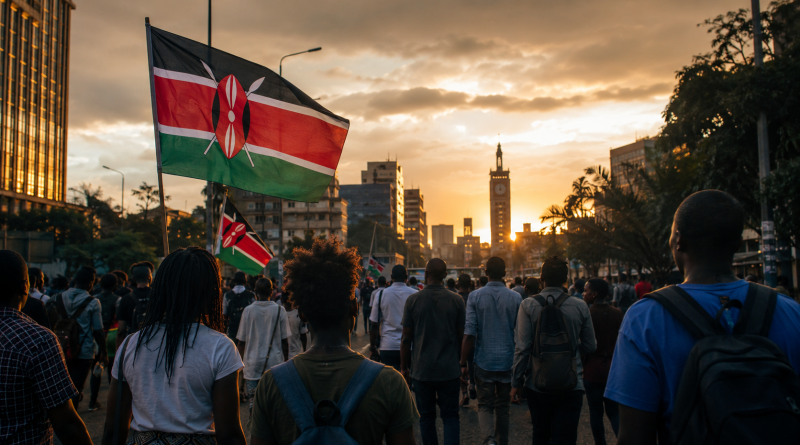
The Day Kenyan Politics Changed: Why the Old Rules No Longer Seem to Apply
Politics in Kenya has always stirred emotion. It has united communities, divided families, inspired hope and, at times, left deep scars. But something has shifted in recent years—something more profound than another election cycle or another coalition agreement.
Ask a boda boda rider in Eldoret, a university student in Nairobi, a trader in Gikomba or a farmer in Meru what they think about politics today, and chances are the conversation will quickly move beyond politicians. It will turn to the cost of living, taxes, jobs, public services, corruption, debt and the future.
For decades, Kenyan politics was often viewed through familiar lenses: personalities, party loyalties and regional alliances. Those factors still matter. But they no longer explain the whole picture.
Today, the country’s political conversation is increasingly being shaped by citizens asking a different question:
“How does this decision affect my everyday life?”
That question has quietly begun to reshape public debate.
A Constitution That Changed the Rules
The adoption of the 2010 Constitution marked one of the biggest turning points in Kenya’s modern history. It introduced devolution, strengthened independent institutions and expanded the role of the courts in resolving political disputes.
Power was no longer concentrated in one place. County governments became responsible for delivering many public services, while institutions such as Parliament, the judiciary and constitutional commissions took on more prominent roles in the country’s governance.
The Constitution did not eliminate political competition. It changed the arena in which it takes place.
Politics Now Lives on Every Phone
There was a time when political messaging depended largely on rallies, newspapers and evening television bulletins.
Today, it moves at the speed of a notification.
A speech delivered in Nairobi can be clipped into a 30-second video and debated across the country within minutes. Court rulings, parliamentary debates and government announcements are dissected in WhatsApp groups, podcasts, TikTok videos and livestreams before the evening news even begins.
The smartphone has become one of the most influential political spaces in Kenya.
That shift has created opportunities for greater civic participation, but it has also increased the importance of verifying information before sharing it.
A Generation That Sees Politics Differently
Perhaps the most significant change is not technological.
It is generational.
Millions of young Kenyans have entered adulthood in a country shaped by the 2010 Constitution, widespread internet access and a rapidly changing economy.
Many are less interested in traditional political identities and more focused on practical questions:
- Will I find meaningful work?
- Can I afford to start a business?
- Why is the cost of living rising?
- How are public resources being managed?
These concerns increasingly influence how citizens engage with public affairs.
The Cost of Living Has Become Political
Politics is no longer discussed only during election campaigns.
Fuel prices, food costs, housing, healthcare and taxation have become central political issues because they affect everyday decisions made around kitchen tables across the country.
When economic conditions change, public conversations often follow.
For many Kenyans, politics has become less about slogans and more about outcomes.
Why Understanding Politics Matters
Politics influences the laws that businesses operate under, the taxes citizens pay, the roads that are built, the schools that receive funding and the services delivered by county governments.
Understanding how institutions work is not simply an academic exercise. It helps citizens make sense of decisions that shape daily life.
The headlines may change every day, but the forces behind them often move more slowly.
Recognising those forces helps explain not only where Kenya has been, but where it may be heading.
Tomorrow’s political headlines will eventually fade.
The institutions, ideas and public expectations shaping Kenya’s future will remain.
That is why understanding politics is not just for politicians.
It is for everyone.