From Shakahola to the Streets: Why Kenyans Are No Longer Trusting Every Voice Behind the Pulpit
Not long ago, asking someone, “Which church do you attend?” was almost an icebreaker.
Today, another question is becoming just as common.
“Can that pastor be trusted?”
It is a question many Kenyans would once have considered unthinkable.
Then came Shakahola.
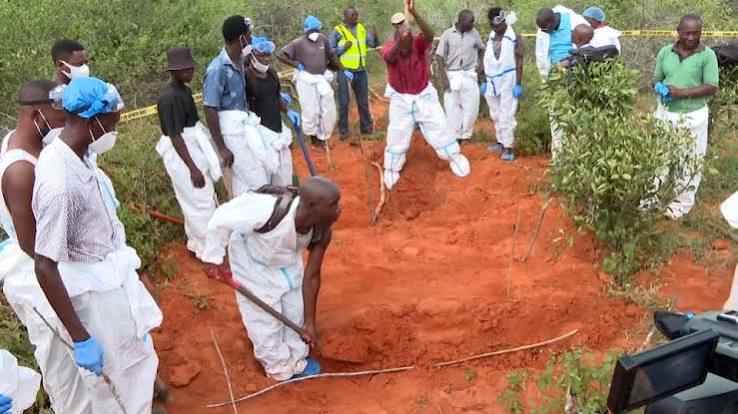
The discovery of hundreds of bodies in Kilifi County in 2023 shocked the nation and triggered one of the darkest chapters in Kenya’s religious history. Investigations into the activities surrounding Paul Mackenzie’s ministry forced a painful national conversation about spiritual manipulation, regulation and accountability. Even in 2025, authorities continued exhumations and investigations linked to the case, underlining just how deep the tragedy ran.
But Shakahola did something else.
It broke a kind of innocence.
Suddenly, Kenyans who had rarely questioned religious authority began asking harder questions.
Who is this preacher?
Who oversees this ministry?
Where does the money go?
Who protects worshippers when something goes wrong?
Those questions have not disappeared.
If anything, they have become louder.
Recent incidents involving attacks around places of worship and broader public debates about the role of faith leaders in moments of political and social tension have kept religion firmly in the national conversation. Government leaders have continued urging religious institutions to promote peace and national unity, highlighting just how influential faith communities remain.
Yet despite the scepticism, Kenya has not turned its back on faith.
Far from it.
Every weekend, churches, mosques and temples still fill with worshippers looking for hope, healing and belonging.
Perhaps that is the paradox.
Kenyans are not losing faith in God.
They are becoming more careful about who claims to speak for Him.
For many genuine religious leaders, that shift is welcome.
They argue that accountability should strengthen—not weaken—the credibility of faith.
Because trust, once broken, is never restored by words alone.
It is rebuilt through transparency, humility and integrity.
And after Shakahola, those qualities are no longer optional.
They are expected.
In the end, the biggest lesson may not be about one preacher or one tragedy.
It may be that Kenya has entered a new era—one where faith remains powerful, but unquestioning trust no longer comes automatically.