Kenya’s New Green Gold: Why the Next Millionaires May Not Come From Silicon Valley—But From the Farm
If someone had told a young Kenyan twenty years ago that avocados would become one of the country’s most sought-after exports, they would probably have laughed.
Today, nobody is laughing.
Across Murang’a, Kiambu, Nyeri, Kirinyaga and Embu, trees that were once planted to provide shade are now generating foreign exchange.
The humble avocado has become a symbol of a much bigger story.
Kenya’s farms are changing.
And with them, so is the country’s economy.
Agriculture still contributes roughly a fifth of Kenya’s GDP directly and supports millions of livelihoods, but the crops driving growth are changing. Traditional giants like tea and coffee remain important, yet horticulture—flowers, fruits and vegetables—has become one of the country’s strongest export engines.
The numbers tell the story.
According to the Agriculture and Food Authority, Kenya exported 457,700 tonnes of horticultural produce worth KSh143.78 billion in 2025. Cut flowers accounted for 62% of export earnings, while fruits and vegetables continued to expand their global footprint.
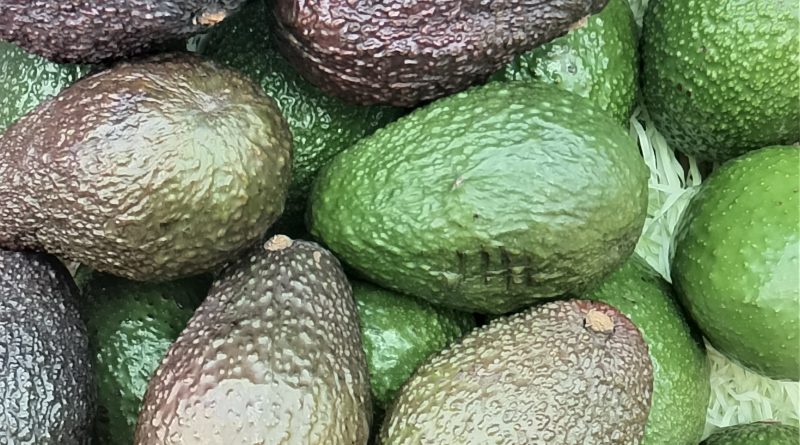
Avocados have become one of the standout success stories.
Despite weather-related challenges in 2024, export values increased by about 11% to US$159 million, while production is expected to recover as more farmers adopt improved seedlings, better agronomy and stricter quality standards.
But perhaps the most important change is happening in the farmer’s mindset.
The modern Kenyan farmer is no longer asking,
“What can I grow?”
Instead, they’re asking,
“Who will buy it?”
That single question changes everything.
It encourages farmers to think about export standards, cold chains, certifications, value addition and long-term contracts instead of simply harvesting and hoping for the best.
Yet challenges remain.
Export markets are becoming stricter on quality, traceability and sustainability. Rising freight costs, climate variability and tougher international regulations mean Kenya cannot compete on volume alone—it must compete on excellence.
The opportunity, however, is enormous.
The world is eating healthier.
Demand for fresh produce continues to grow.
Consumers increasingly want traceable, responsibly produced food.
Kenya has the climate, entrepreneurial farmers and geographic advantage to supply that demand.
The next agricultural success story may not begin with thousands of acres.
It may begin with five well-managed acres, access to reliable markets and a farmer who understands that agriculture today is as much about business as it is about growing crops.
That is why the conversation about farming is changing.
It is no longer about survival.
It is about opportunity.