Why the Ol Kalou By-Election Matters More Than Just One Parliamentary Seat
The outcome has reshaped political calculations in Mt Kenya, offering fresh clues about shifting voter loyalty, party strength and the road to Kenya’s 2027 General Election.
The Ol Kalou parliamentary by-election may have filled a vacant seat in Nyandarua County, but its political significance stretches far beyond the constituency’s borders.
While by-elections often attract local attention, Ol Kalou quickly evolved into one of Kenya’s most closely watched political contests. Senior leaders from across the political divide pitched camp in the constituency, turning the race into an early referendum on the country’s changing political landscape ahead of the 2027 General Election.
The contest followed the death of former MP David Kiaraho, creating a vacancy that drew intense interest from both the ruling United Democratic Alliance (UDA) and opposition forces. UDA fronted Samuel Muchina Nyagah, while the Democracy for the Citizens Party (DCP) rallied behind Sammy Douglas Kamau Waweru.
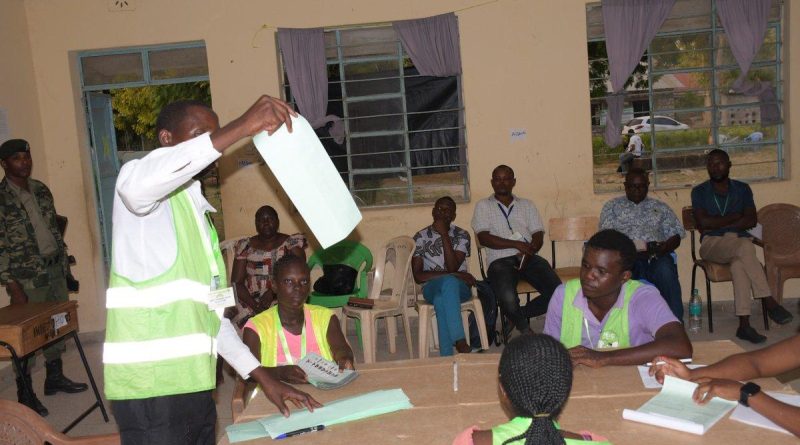
When the votes were counted, DCP emerged with a commanding victory, defeating the ruling party in what had long been considered one of UDA’s strongholds. IEBC results showed Sammy Douglas Kamau Waweru secured 35,440 votes against UDA candidate Samuel Muchina Nyagah’s 5,450 votes.
More Than a Local Election
Political analysts say the result reflects a broader trend emerging across parts of the Mt Kenya region, where voter priorities appear increasingly focused on leadership, accountability and local development rather than traditional party loyalty.
Although one by-election cannot predict a general election, it often provides valuable insight into public sentiment. Political parties frequently use such contests to test campaign strategies, grassroots mobilisation and messaging before nationwide campaigns begin.
What the Result Means for Kenya’s Politics
The Ol Kalou outcome is likely to influence how parties approach future campaigns in Central Kenya.
For the ruling coalition, the result presents an opportunity to reassess its engagement with grassroots supporters and strengthen local political structures.
For opposition parties, it provides evidence that well-organised campaigns with strong local appeal can compete effectively, even in regions previously viewed as politically settled.
Why By-Elections Matter
Kenya’s by-elections have historically served as political barometers. Beyond replacing elected leaders, they reveal evolving voter expectations, emerging political alliances and the issues that resonate most with communities.
As the country moves closer to the 2027 General Election, the Ol Kalou contest will likely be remembered not simply for who won the parliamentary seat, but for what it revealed about the changing dynamics of Kenyan politics.
For political observers, campaign strategists and voters alike, Ol Kalou has become another reminder that no constituency can be taken for granted—and that every by-election has the potential to reshape the national political conversation.