Why the KSh172 Billion Rironi–Mau Summit Highway Could Transform Kenya’s Economy
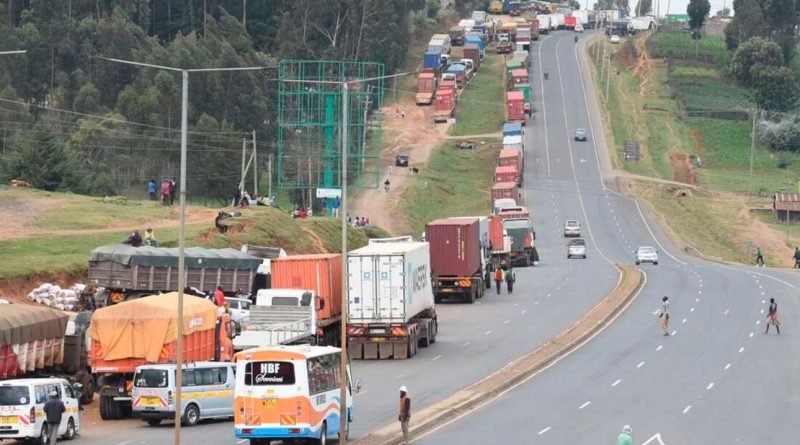
For years, the Rironi–Mau Summit highway has been synonymous with endless traffic jams, delayed deliveries and costly transport disruptions. Now, the government’s KSh172 billion expansion project is poised to become one of Kenya’s most significant infrastructure investments, promising faster travel, lower logistics costs and stronger economic growth if completed as planned.
Stretching along one of Kenya’s busiest transport corridors, the highway connects Nairobi with Nakuru and serves as a critical link to western Kenya, Uganda, Rwanda, South Sudan and the wider East African region. Every day, thousands of private motorists, public service vehicles and heavy commercial trucks depend on the route to move people and goods across the country.
Why This Highway Matters
The Rironi–Mau Summit road forms part of the Northern Corridor, East Africa’s busiest trade route. Delays along this stretch have long translated into higher fuel consumption, lost business hours, increased vehicle maintenance costs and expensive freight charges that ultimately push up the cost of goods for consumers.
Expanding the highway is expected to improve traffic flow by increasing road capacity, reducing bottlenecks and shortening travel times for both passenger and cargo transport.
For businesses, faster transport means more reliable deliveries and lower operating costs. Manufacturers will be able to move products more efficiently, while retailers can replenish stock faster. Farmers transporting fresh produce to urban markets also stand to benefit from reduced spoilage and quicker access to buyers.
A Boost for Regional Trade
Kenya serves as the gateway for several landlocked East African countries. Cargo travelling to Uganda, Rwanda, Burundi, South Sudan and eastern Democratic Republic of Congo relies heavily on this corridor.
A more efficient highway could strengthen Kenya’s position as the region’s logistics hub by enabling smoother movement of imports and exports through the Port of Mombasa.
Improved transport efficiency also makes the country more attractive to investors looking for reliable supply chains and better connectivity between production centres and consumer markets.
Benefits for Everyday Kenyans
The impact extends beyond businesses.
Motorists are expected to spend less time stuck in traffic, saving fuel and reducing travel fatigue. Public transport operators could enjoy more predictable journey times, while emergency services would have improved access during accidents and medical emergencies.
Communities along the corridor may also experience increased economic activity as demand grows for accommodation, restaurants, fuel stations, vehicle services and retail businesses.
Opportunities for Local Businesses
Large infrastructure projects often create opportunities for contractors, suppliers and service providers.
Construction activities generate employment, while improved accessibility can stimulate property development, tourism and industrial investment in towns located along the highway.
Businesses that rely on road transport—from courier companies to agricultural exporters—could also see productivity gains as congestion eases.
Challenges That Remain
Despite the expected benefits, major infrastructure projects also face challenges.
Land acquisition, environmental concerns, financing, construction timelines and traffic management during works will all influence how quickly motorists begin to experience the anticipated improvements.
Experts also note that long-term success will depend on regular road maintenance, enforcement of traffic regulations and effective management of increasing vehicle numbers.
Looking Ahead
As Kenya continues investing in strategic infrastructure, the Rironi–Mau Summit Highway represents more than a road expansion project. It is an investment in trade, mobility and national productivity.
If delivered efficiently, the project has the potential to reshape how people and goods move across Kenya while strengthening the country’s role as East Africa’s commercial gateway.
For millions of commuters, transporters, businesses and travellers, the success of the Rironi–Mau Summit Highway could ultimately be measured not just in kilometres of tarmac, but in time saved, costs reduced and economic opportunities created.