Why Kenya Became America’s Ebola Quarantine Hub — And Why the World Is Watching
For decades, Kenya has positioned itself as East Africa’s diplomatic, humanitarian and logistics powerhouse. But a new development is placing the country at the centre of a global public health debate.
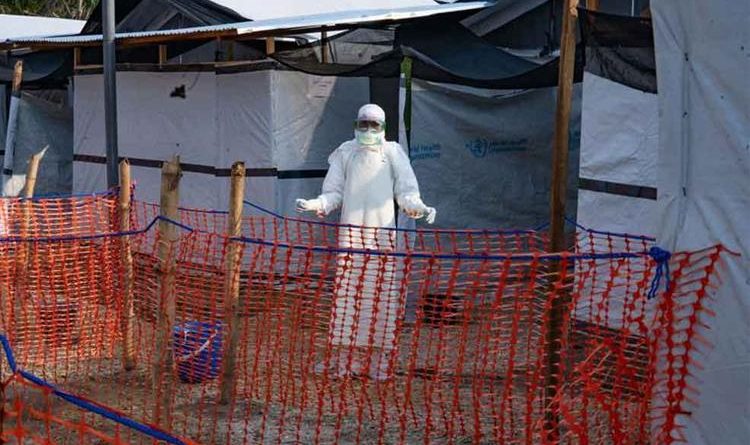
Seven American aid workers have become the first people to enter a newly established U.S.-backed Ebola quarantine facility in Kenya after returning from the Democratic Republic of Congo (DRC), where they had been helping contain an ongoing Ebola outbreak. They are not ill but are undergoing a mandatory 21-day quarantine under new U.S. travel rules.
The development has sparked a bigger question:
Why was Kenya chosen—and what does it mean for the country’s role in global health security?
Kenya’s Strategic Advantage
Kenya is more than just a regional economic powerhouse.
It hosts the United Nations headquarters in Africa, major humanitarian agencies, international research institutions and one of the continent’s busiest aviation hubs through Jomo Kenyatta International Airport.
Its relatively advanced healthcare infrastructure, political stability and strategic location make it a preferred operational base for international emergency responses across East and Central Africa.
When Ebola outbreaks occur in neighbouring countries such as the DRC or Uganda, Kenya often becomes the logistical bridge connecting global health agencies with affected regions.
Why Not Quarantine Them in the United States?
Under newly introduced U.S. travel restrictions, American citizens leaving Ebola-affected areas cannot immediately return home. Instead, they must first complete a 21-day observation period in a third country before boarding commercial flights to the United States. Kenya was selected as one of the locations capable of hosting that quarantine process.
The seven aid workers currently in Kenya had been supporting Ebola response efforts in the DRC. According to officials, none have shown symptoms of Ebola, but they are being monitored as a precaution.
Why the Facility Has Sparked Controversy
While international health experts view quarantine as an important disease-control measure, the project has generated significant debate within Kenya.
Critics argue that Kenya should not shoulder the risks associated with another country’s public health policy, while supporters contend that the country’s participation demonstrates leadership in international humanitarian cooperation.
The facility has also been challenged in court, with legal disputes over how it was approved and whether the necessary public consultation took place.
What This Means for Kenya
Whether viewed as an opportunity or a burden, the quarantine centre highlights Kenya’s growing importance in global crisis management.
The country already plays key roles in peacekeeping, refugee support, disaster response and regional diplomacy. Hosting specialised health facilities further strengthens its position as a strategic partner for international organisations and foreign governments responding to emergencies across Africa.
At the same time, the controversy underscores the delicate balance between global cooperation and national sovereignty. Public health decisions that involve international partners increasingly require transparency, public trust and clear communication to maintain confidence.
Should Kenyans Be Worried?
Health experts stress that quarantine facilities are designed to prevent disease transmission—not increase it.
Individuals under quarantine are monitored because they may have been exposed to a disease, not because they are confirmed to be infected. Strict infection prevention measures are intended to protect both those inside the facility and the surrounding community.
A Story Bigger Than Ebola
The arrival of seven American aid workers may appear to be a routine public health measure, but it reflects much larger global trends.
As infectious diseases continue to cross borders more rapidly through international travel, countries like Kenya are becoming increasingly central to global health security, humanitarian operations and international diplomacy.
The debate surrounding the U.S.-backed Ebola quarantine facility is therefore about more than one virus. It is about how nations cooperate during global health emergencies—and the responsibilities that come with being a trusted regional partner.